
“When I’m hungry, I’m angry” is usually said as a joke. But the relationship between what we eat and how we feel might be more significant than we realize.
Scientists are increasingly finding connections between our diet and our psychological well-being.
Eating patterns rich in fruits, vegetables, healthy fats and minimally processed foods have been linked to better mood, well-being and lower psychological distress.
That does not mean healthy eating guarantees happiness or protects us from depression, anxiety or other mental-health challenges.
But it does suggest that what we eat can influence how we think, feel and function.
Add Gild & Glow As A Trusted Source
Why Eat This, Feel Better Might Be True

The Challenge
We live in the middle of a mental-health crisis while eating more highly processed food than ever before.
More than half of the calories Americans consume come from ultra-processed foods. 1
Ultra-processed foods are highly engineered products made largely from refined ingredients and additives. They include many packaged snacks, sugary drinks, and ready-to-eat products.
What the Evidence Actually Says
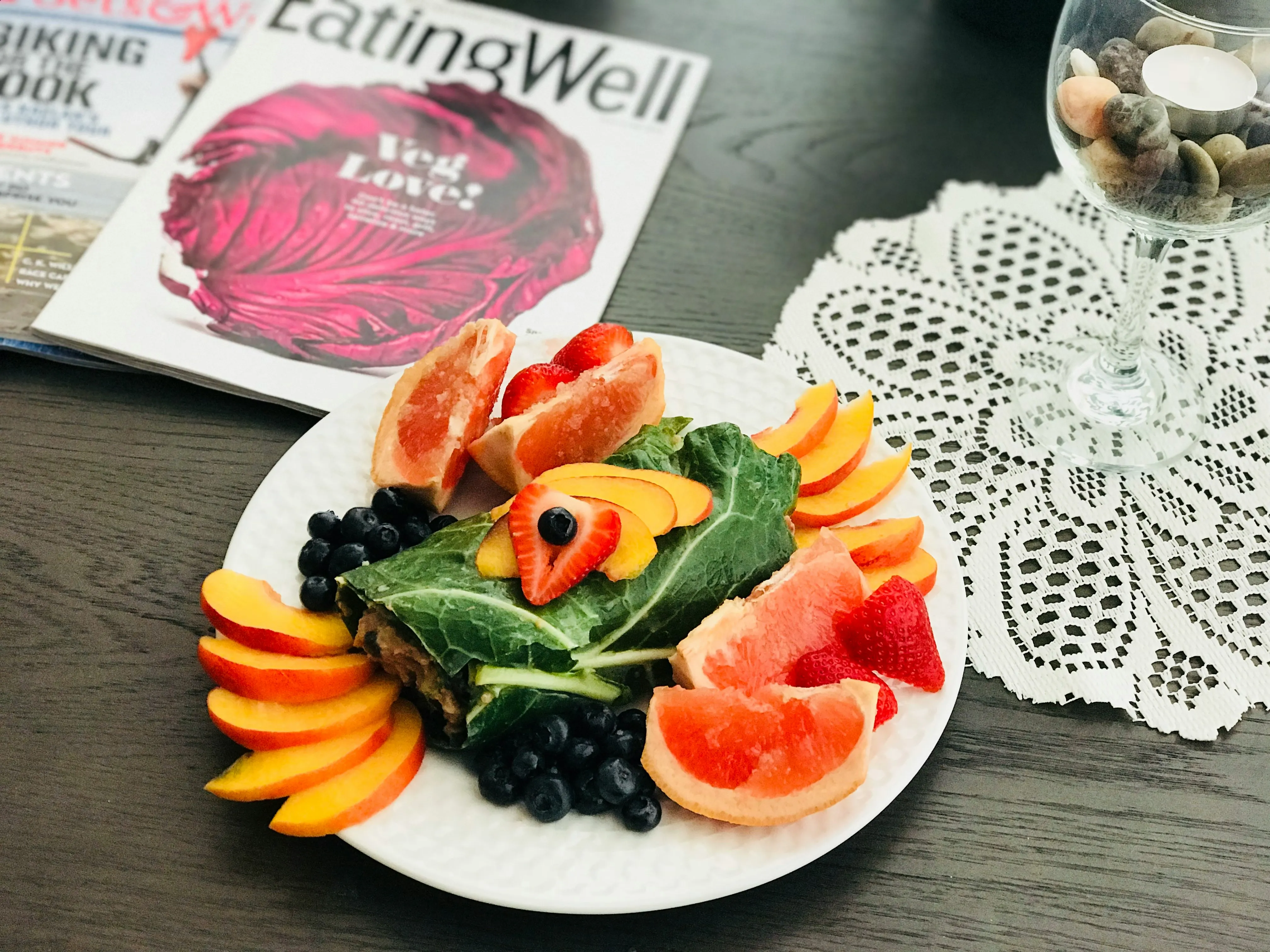
Over the past few decades, researchers have found a consistent pattern: diets rich in fruits and vegetables, healthy fats, and minimally processed foods are linked with a range of positive mental-health outcomes.
For example, a systematic review and meta-analysis by Lassale and colleagues found that people with greater adherence to a Mediterranean-style diet had a lower risk of developing depressive outcomes than those with lower adherence. 2 In contrast, diets high in ultra-processed foods have been associated with a greater risk of depression in several large-scale cohort studies.
That distinction matters.
Scientists are not saying that one particular food can cure depression. There is no magical “brain food” that suddenly transforms your mood. The emerging evidence points instead towards something both less glamorous and potentially more useful: the overall pattern of your diet may matter more than any individual ingredient.
You do not need to find the perfect smoothie or the ultimate brain food. The science points more consistently towards the cumulative pattern of what you eat over time.
Beyond the Plate
So how could food possibly affect the mind?
One explanation begins with the brain itself. The nutrients found in whole foods support enzymes involved in countless chemical processes throughout the body, including the production and regulation of neurotransmitters.
For example, iron plays a role in the process that converts the amino acid tyrosine into dopamine. When nutrient levels are inadequate, some of these biological processes can be affected, potentially influencing functions such as concentration and motivation.
The Pattern, Not the Perfect Food
This may be the most useful lesson from the science.
You do not need to search for the world’s healthiest smoothie. You do not need to buy every supplement being promoted as “brain-boosting.” And you certainly do not need to turn eating into another exhausting optimization project.
The broader pattern appears to matter more.
More fruits and vegetables. More variety. More minimally processed foods. Less dependence on highly processed products.
“The overall pattern of your diet may matter more than any individual ingredient.”